Power meters, cadence sensors and footpods: Garmin Rally, Favero Assioma, Stages, Stryd
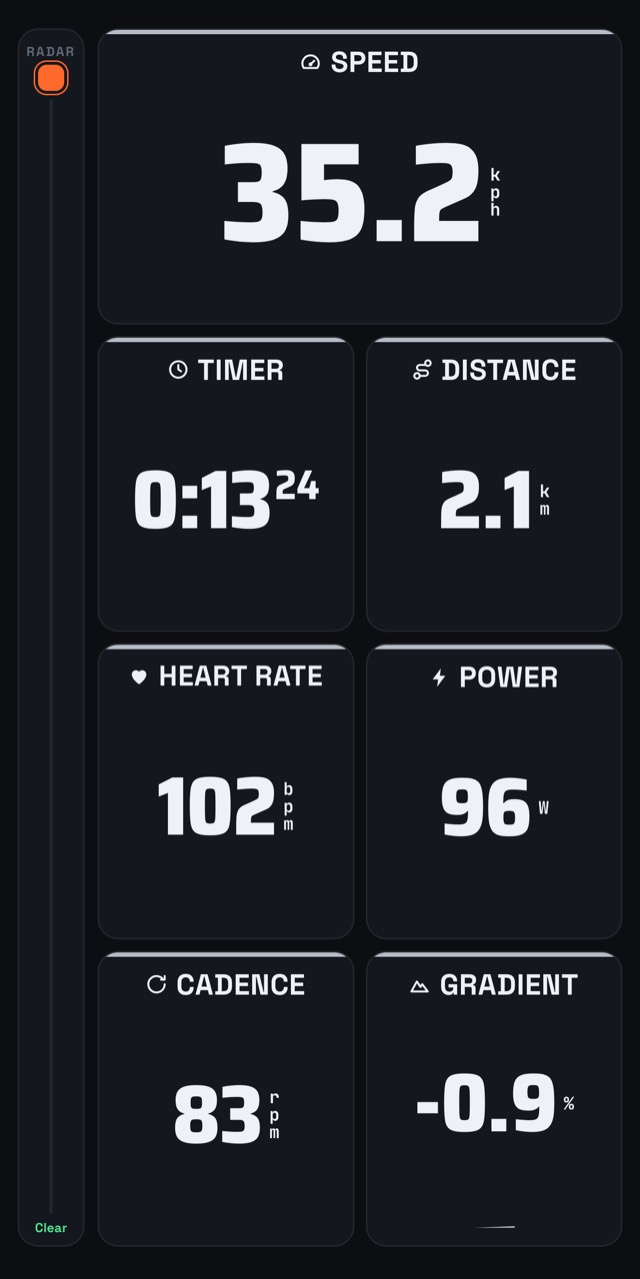
Domestique Hub reads any power meter that broadcasts standard Bluetooth cycling power — pedals, cranks, spiders and hubs — plus speed and cadence sensors and running footpods, and turns them into a full bike computer on your phone.
Power meters
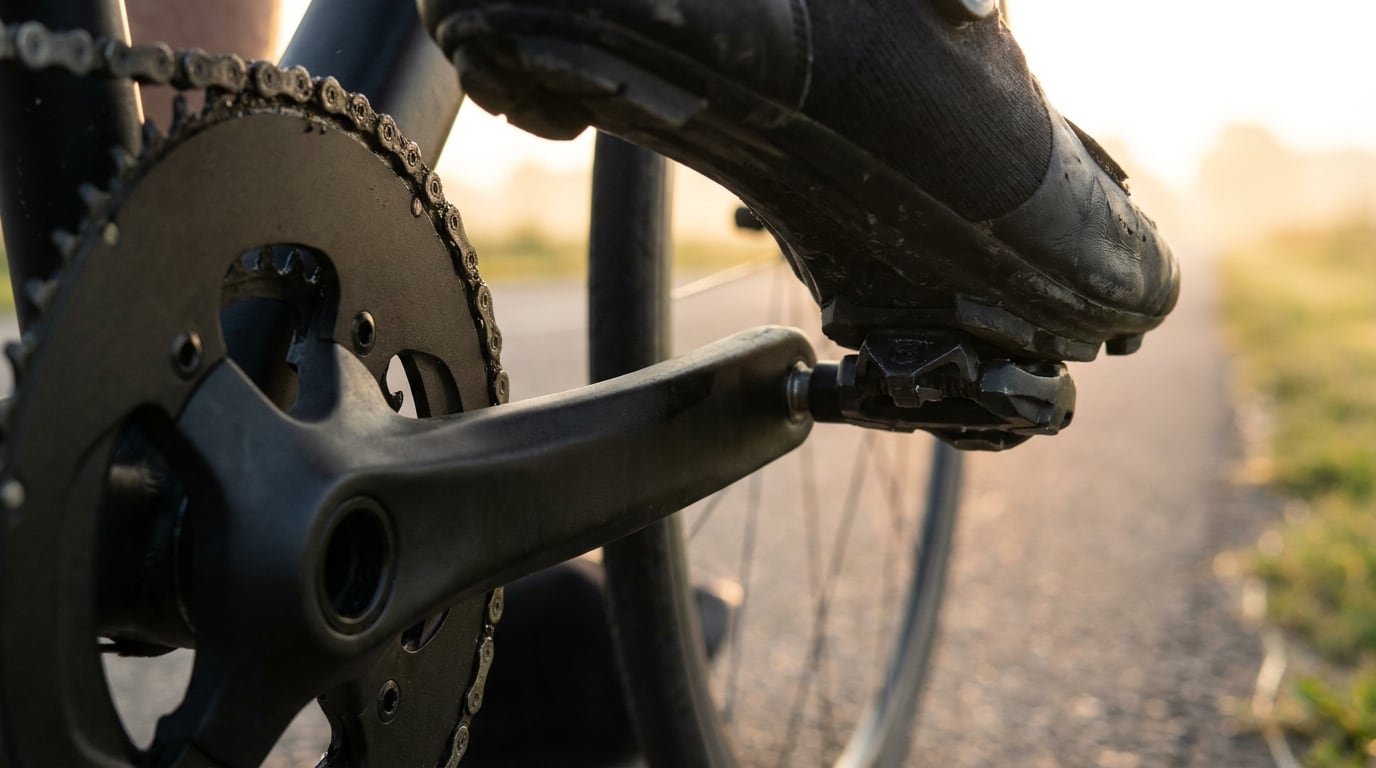
The app uses the Bluetooth Cycling Power profile, which current pedal and crank meters broadcast — Garmin Rally and Vector, Favero Assioma, Stages, 4iiii, Quarq and others. From it the app takes:
- Watts, with 3-second and other averages, normalised power, IF and TSS, W/kg and power zones once your FTP and weight are set.
- Cadence worked out from crank revolutions, so you do not need a separate cadence sensor.
- Left/right balance from a dual-sided meter, shown live on the ride screen.
After the ride, the activity has the power chart, power curve and time in zones, and the file sent to Strava carries every second of power.
Speed and cadence sensors
Standard Bluetooth speed and cadence sensors — a magnetless hub sensor, a crank pod, or a combined unit — give you speed and distance indoors or under trees where GPS struggles, and cadence without a power meter. Speed uses a 700×25c wheel by default.
Running: footpods and Stryd
A Bluetooth running footpod gives speed and cadence on a run or a treadmill. A Stryd broadcasts running power on the same profile a bike power meter uses, and the app reads it as running power.
Which sensors the app looks for
Each activity looks for the kit that makes sense for it, in this order:
| Activity | Sensors |
|---|---|
| Bike | Power, heart rate, speed & cadence, rear radar |
| Run | Heart rate, running power, footpod |
| Trainer | Smart trainer, power, heart rate, speed & cadence |
| Treadmill | Treadmill, heart rate, footpod |
| Escort car, gym | Heart rate |
A field with no possible source is never shown as a permanent dash — a run has no radar tile, and the escort car is not offered power.
Remembered, and reconnected
Pair a sensor once. Next time, one Bluetooth search finds every remembered sensor at once and connects them in the order the ride needs them; during a ride it never stops looking for one that has dropped. A power meter that also reports cadence is one device with one connection, not two that fight each other.
What it is not (yet)
Electronic shifting (Shimano Di2, SRAM AXS) speaks private protocols the app does not read, so there are no gear or shifter-battery fields. Sensor battery levels are not shown yet.
See every device the app connects to, or smart trainer control.
Questions riders ask
- Which power meters work?
- Any that broadcast standard Bluetooth cycling power, which current pedal and crank meters do — Garmin Rally and Vector, Favero Assioma, Stages, 4iiii, Quarq and others.
- Do I need a separate cadence sensor?
- Not with a power meter: cadence is worked out from its crank revolutions. Without one, a Bluetooth cadence sensor works.
- Does it show Di2 or AXS gears?
- No. Electronic shifting uses private protocols the app does not read.